AI integrations for Perth businesses that are tired of patching gaps between tools.
Connect systems, data, and workflows so information moves where it should, without the repeated copying, checking, and chasing.
For many Perth businesses, the integration problem is not a lack of software. It is the manual stitching required to keep separate tools aligned well enough to run the business.
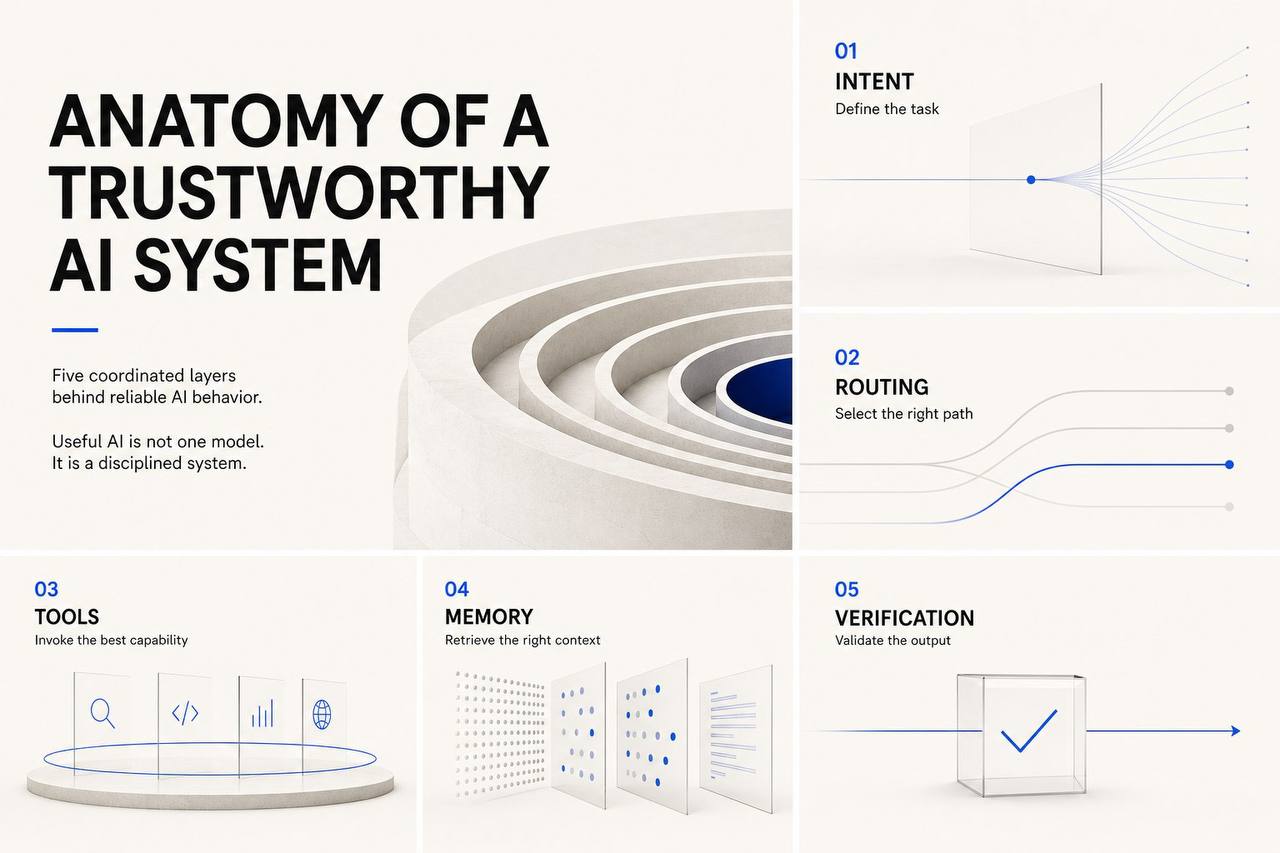
Designed for Perth teams that want cleaner data flow and fewer avoidable system bottlenecks.
Integrations that make the stack easier to trust.
Best suited to Perth businesses where systems should already be helping, but too much work is still spent re-entering data, reconciling records, or repairing broken handoffs between tools.
What improves when data stops getting re-entered.
The first gains usually show up as cleaner data movement, fewer duplicate steps, and better visibility across the tools the business already runs on.
Data stops getting stuck between tools
Information can move more directly between platforms, reducing the need for manual copying, spreadsheet patchwork, and end-of-day clean-up.
Reporting becomes easier to trust
Teams spend less time checking which version is right when sources are better connected and updates are handled more consistently.
Service and delivery handoffs tighten up
Operational steps are easier to coordinate when the systems behind them share context instead of dropping details at each handoff.
Where AI integrations close system gaps.
Usually strongest where the main problem is fragmented tools, re-entry, and poor operational visibility rather than broader admin load or sales follow-up.
The business already uses several core tools
A strong fit when the stack is established but important data still needs people to bridge the gaps manually.
Manual reconciliation is becoming expensive
Useful when duplicated entry, mismatched records, or broken system-to-system flow are quietly wasting time across the week.
Leaders want cleaner execution without a full rip-and-replace
A good fit when Perth teams want better flow and visibility from the current stack before considering bigger platform changes.
If the problem extends beyond integrations, explore the adjacent support around it.
If your systems only work because people keep bridging the gaps by hand, start the inquiry.
A plain-English note on the tools involved and where data or visibility breaks down is enough to begin.
Questions about AI integrations and connected systems.
Three common questions before a business fixes data movement and visibility between tools.
What does an AI integration actually do?
It helps systems, workflows, and data move together more cleanly so the business spends less time bridging gaps manually.
Where do integrations usually help first?
Usually where tools are fragmented, data is re-entered, reporting is messy, or handoffs are unreliable.
Do integrations require a complete systems overhaul?
Not always. A practical integration approach often improves the current stack before bigger change is considered.